Banksy Secures Costs Victory as High Court Dismisses Libel Claim Linked to Guess Dispute
The Banksy libel case costs ruling marks a significant moment in the ongoing tension between artistic authorship and commercial use, after the High Court ordered the claimant to pay costs following a discontinued claim linked to the Guess controversy.
Banksy secured this outcome after a £1.3 million libel claim brought by Full Colour Black Ltd (Brandalised) was discontinued, bringing an end to a dispute rooted in one of the artist’s most widely circulated public interventions.
Understanding the Banksy Libel Case Costs Ruling
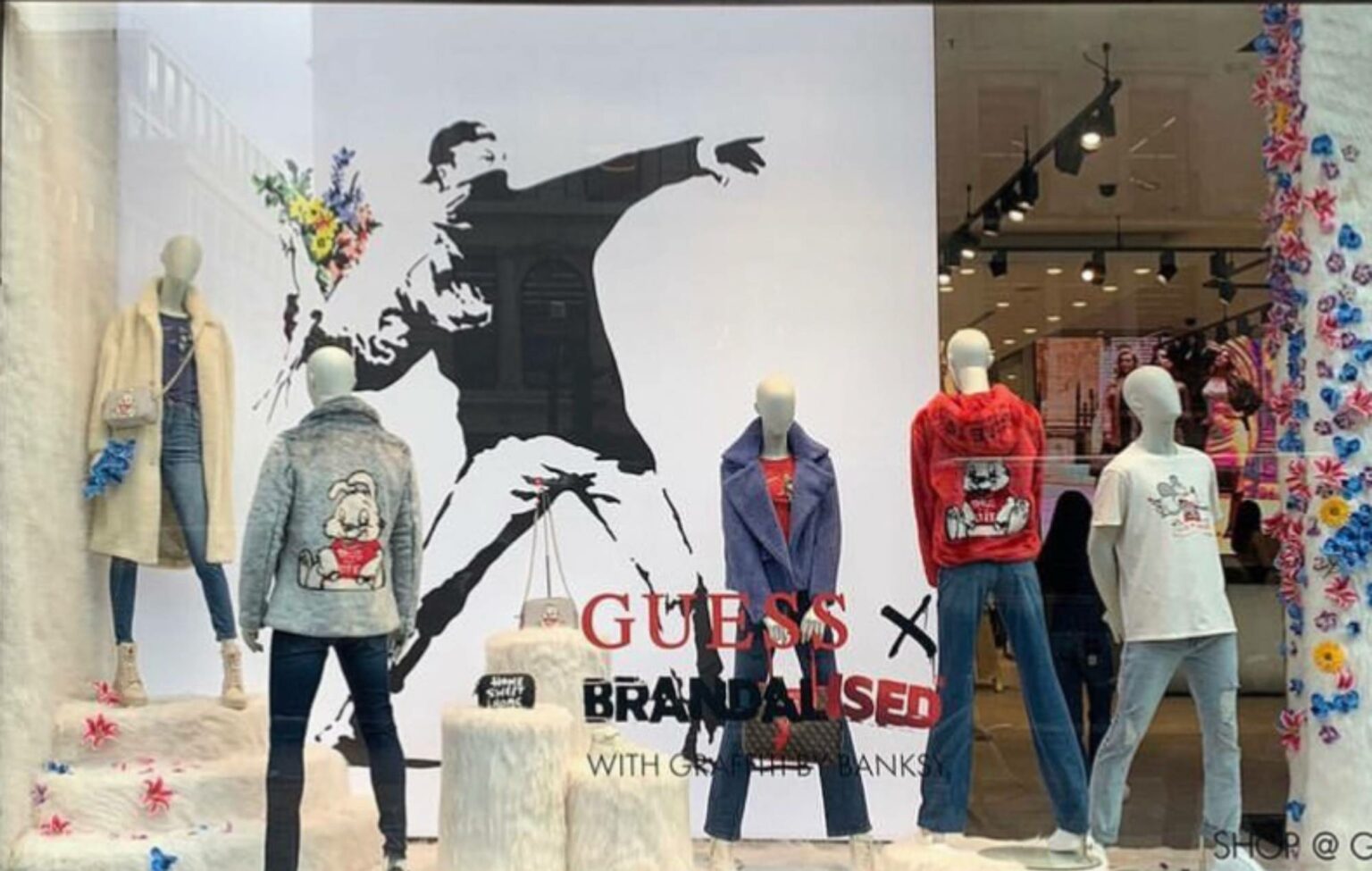
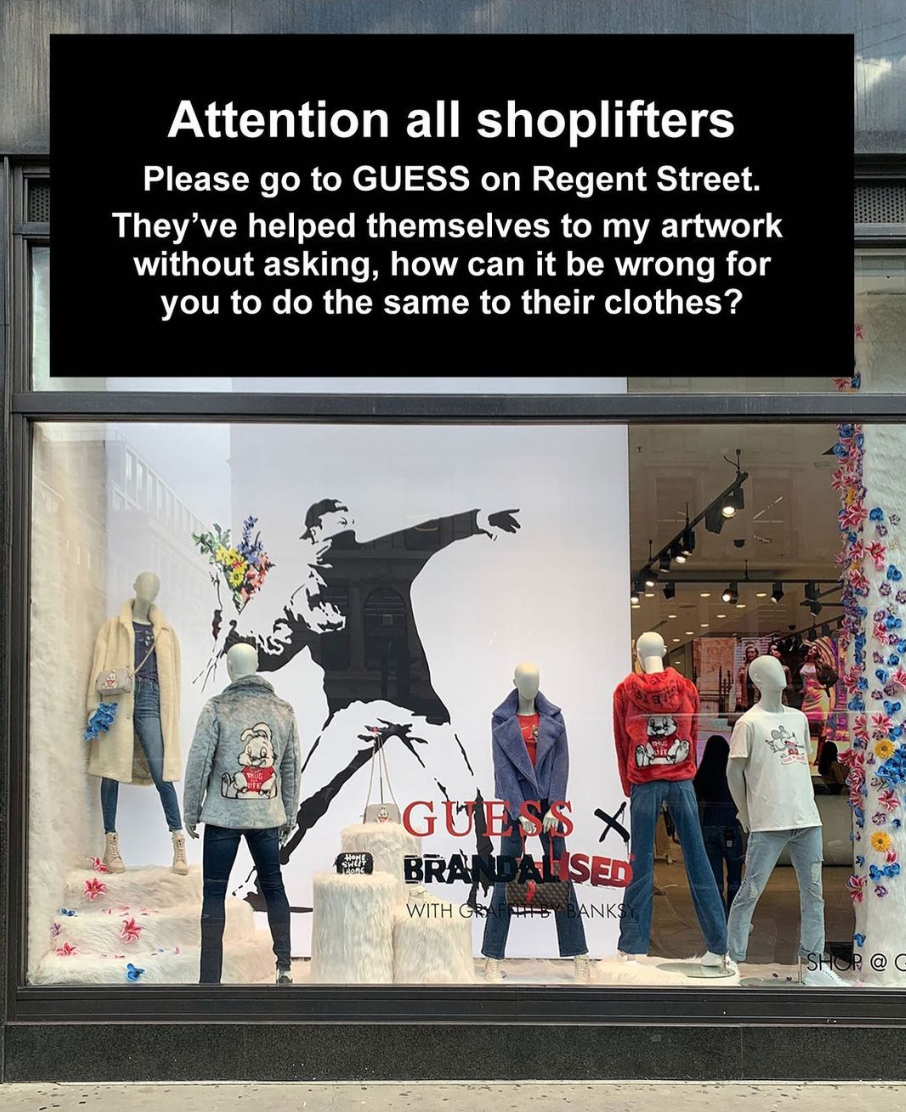
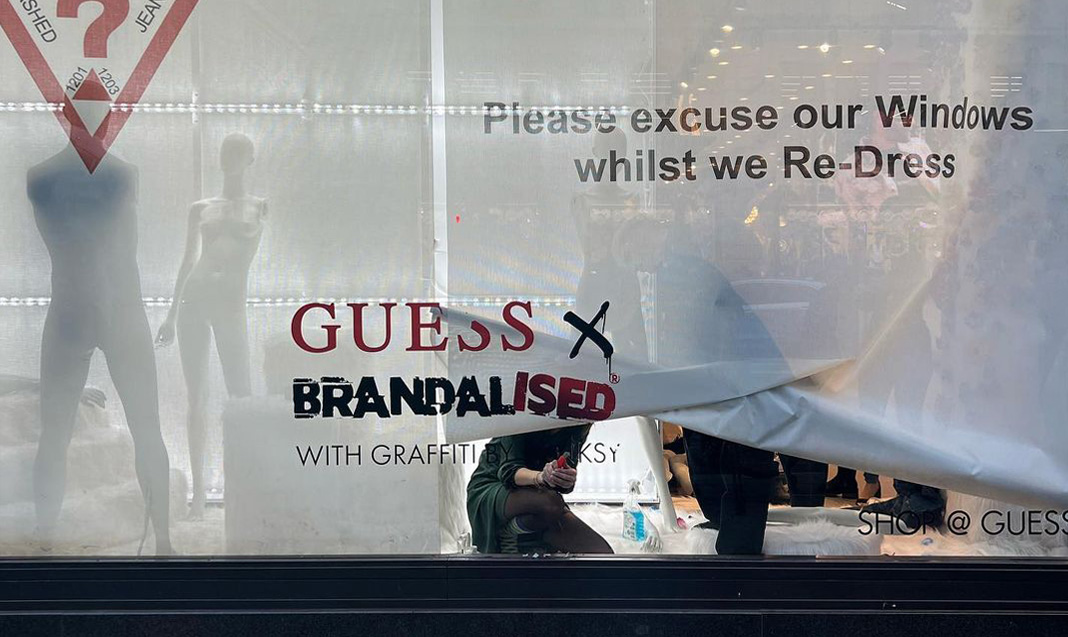
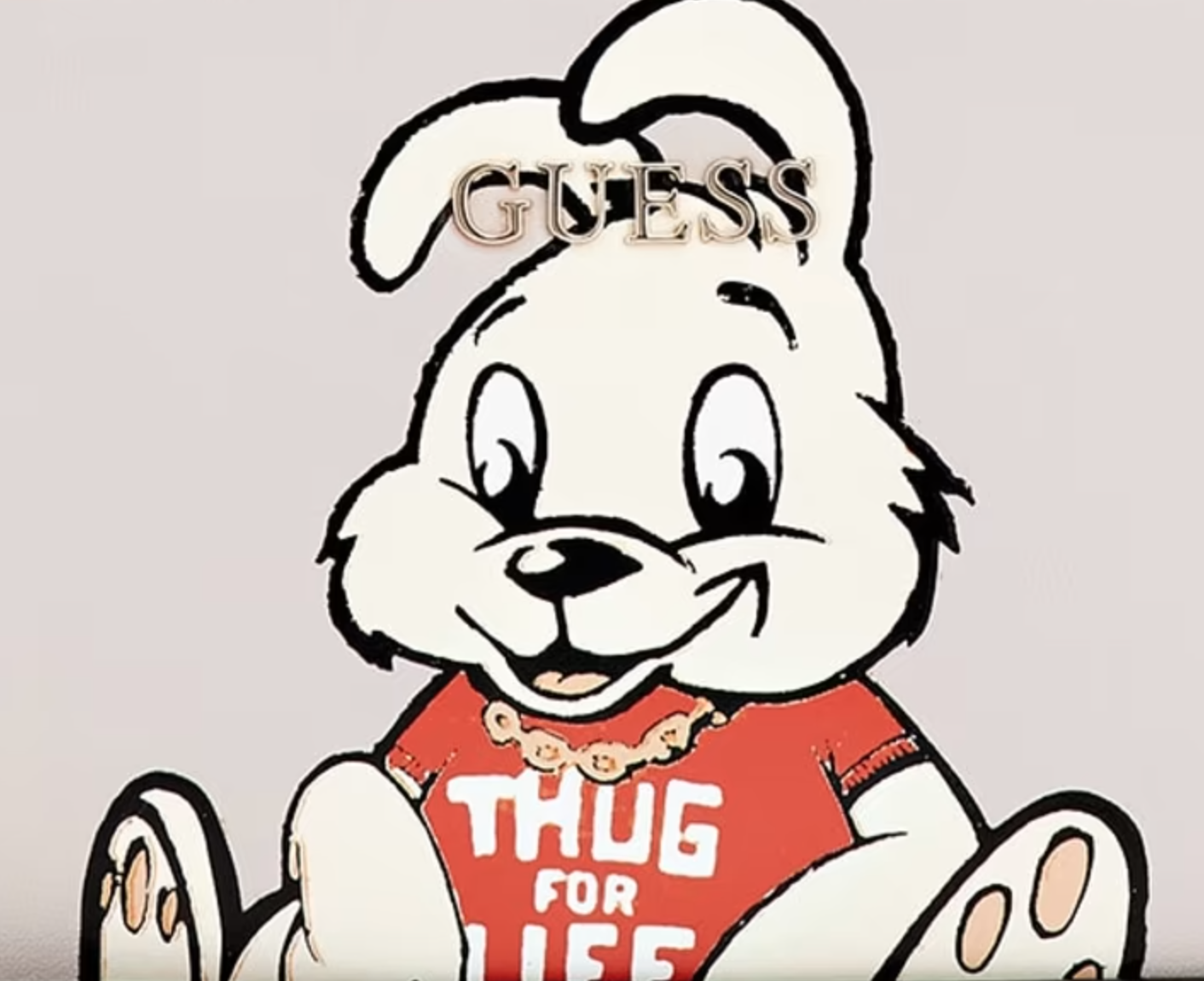
The case stems from November 2022, when Banksy shared an image of a flagship Guess store on Regent Street, London displaying his artworks, including Flower Thrower motif, alongside branding connected to a collaboration with Brandalised. In a widely shared post, he accused the brand of using his work without permission and urged shoplifters to target the store, a message that quickly spread across his global audience. Guess reacted and removed the window display promptly!
Full Colour Black Ltd, the company behind Brandalised, brought a defamation claim against Banksy and Pest Control Office Ltd, alleging the post caused serious reputational and financial harm. The company claimed the publication led to negative public reaction, disruption outside the store, and loss of business relationships. It also indicated it reserved the right to seek disclosure of Banksy’s identity during the proceedings. However, the claim was later discontinued.
In ruling on costs, Mr Justice Nicklin found that the case had no real prospect of success and had been pursued in a manner that was “unreasonable to a high degree”. He concluded that the proceedings were used to exert pressure, including by relying on the risk to Banksy’s anonymity, rather than to secure remedies that could have been obtained through other means.
The court ordered that Full Colour Black Ltd pay costs on an indemnity basis, a measure typically reserved for cases that fall outside the norm in terms of conduct.
The dispute sits within a longer history of tension between Banksy and entities seeking to commercially reproduce his work. While Brandalised has positioned itself as a licensing platform for graffiti-inspired designs, Banksy has consistently maintained that only Pest Control is authorised to license his artwork for commercial use. His position has remained consistent:
“Are you a company looking to licence Banksy art for commercial use? Then you’ve come to the right place – you can’t. Only Pest Control Office have permission to use or license my artwork. If someone else has granted you permission, you don’t have permission.” Banksy.co.uk
A line drawn clearly, both on the street and in court.
What began as a moment of public protest evolved into a legal confrontation that tested the boundaries between artistic authorship, commercial exploitation, and anonymity. The court’s decision closes this chapter with a clear statement on the limits of litigation when used as a strategic tool.
Image copyright Banksy