Ricardo Romero Begins 2026 with a Mural Honouring Sebastião Salgado in Leiria
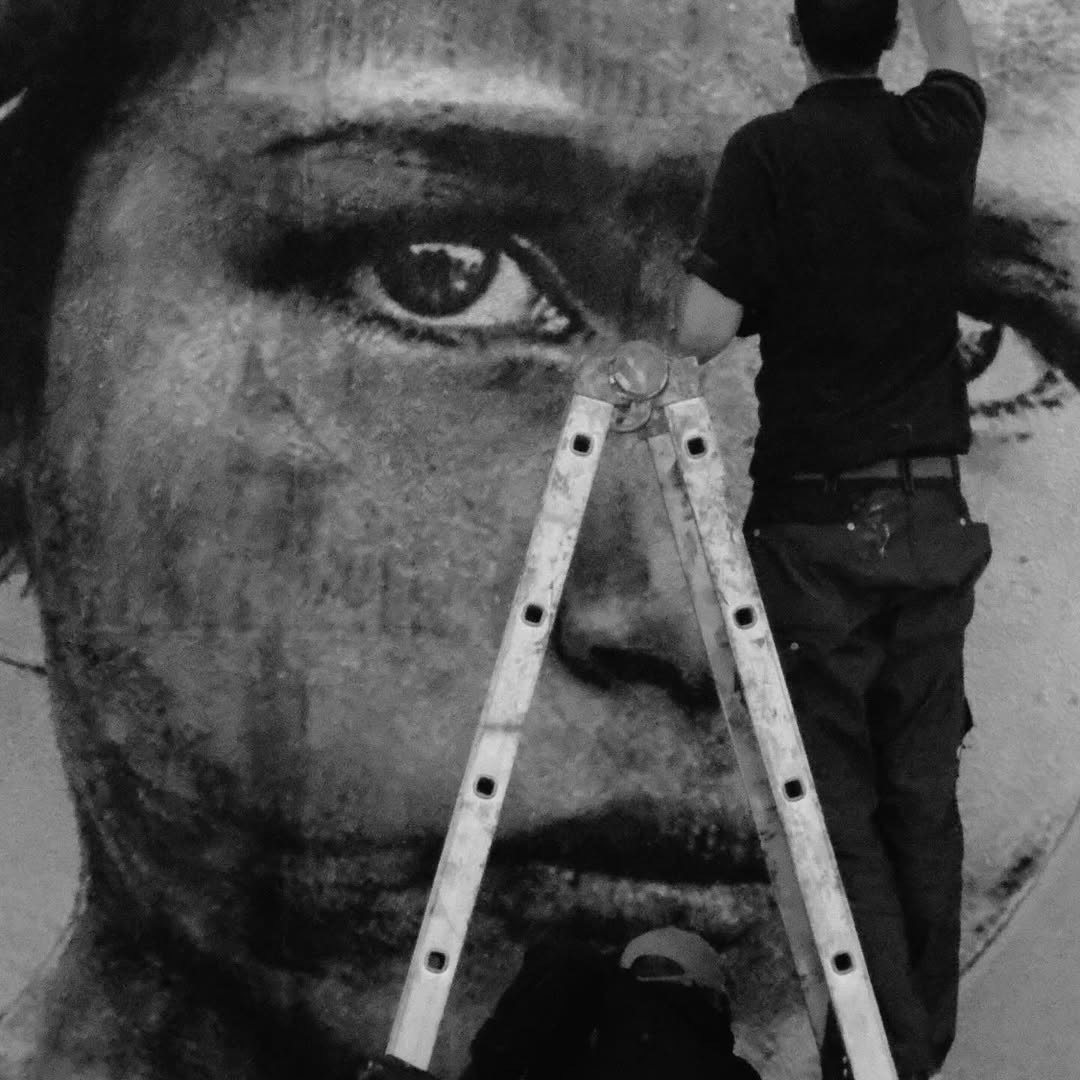
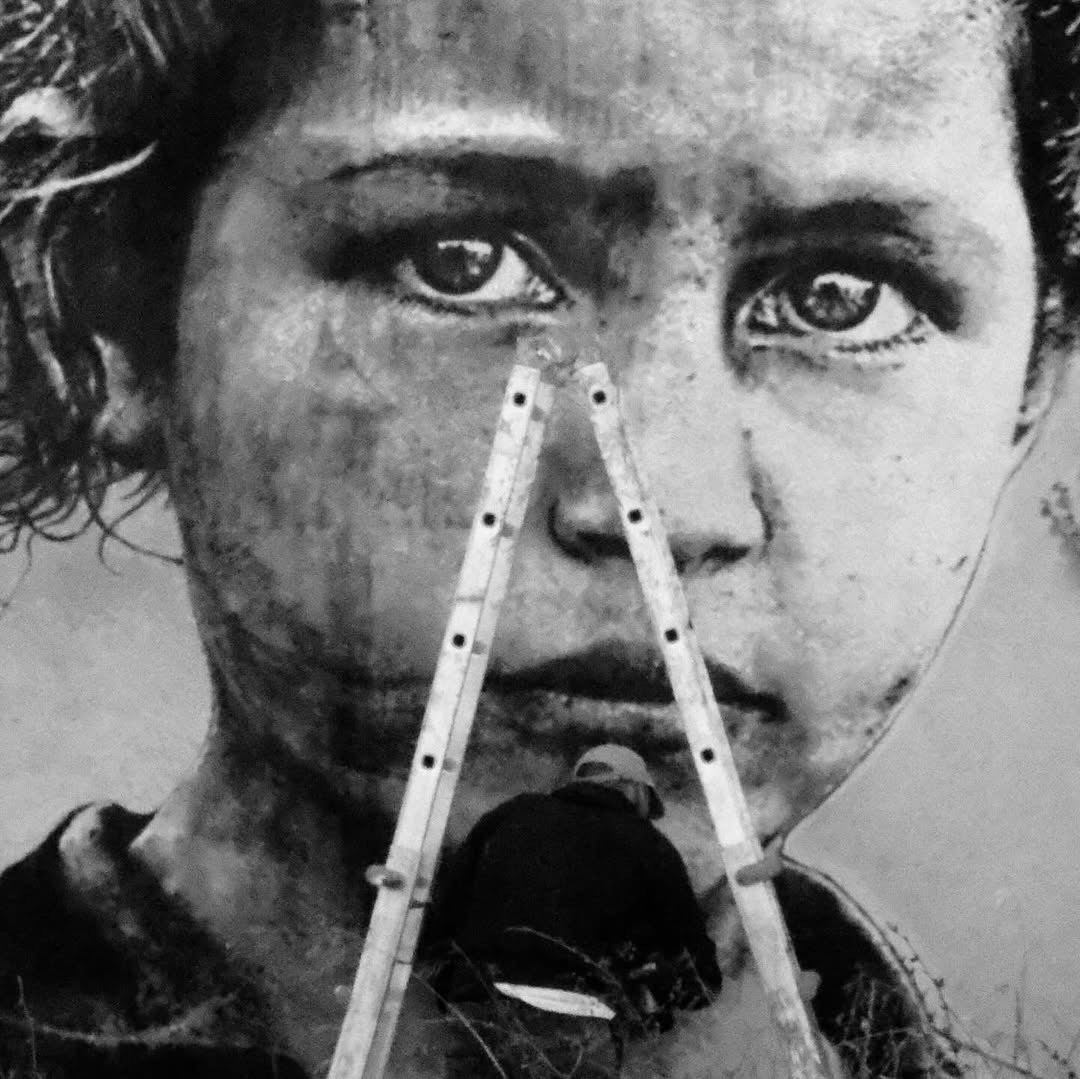
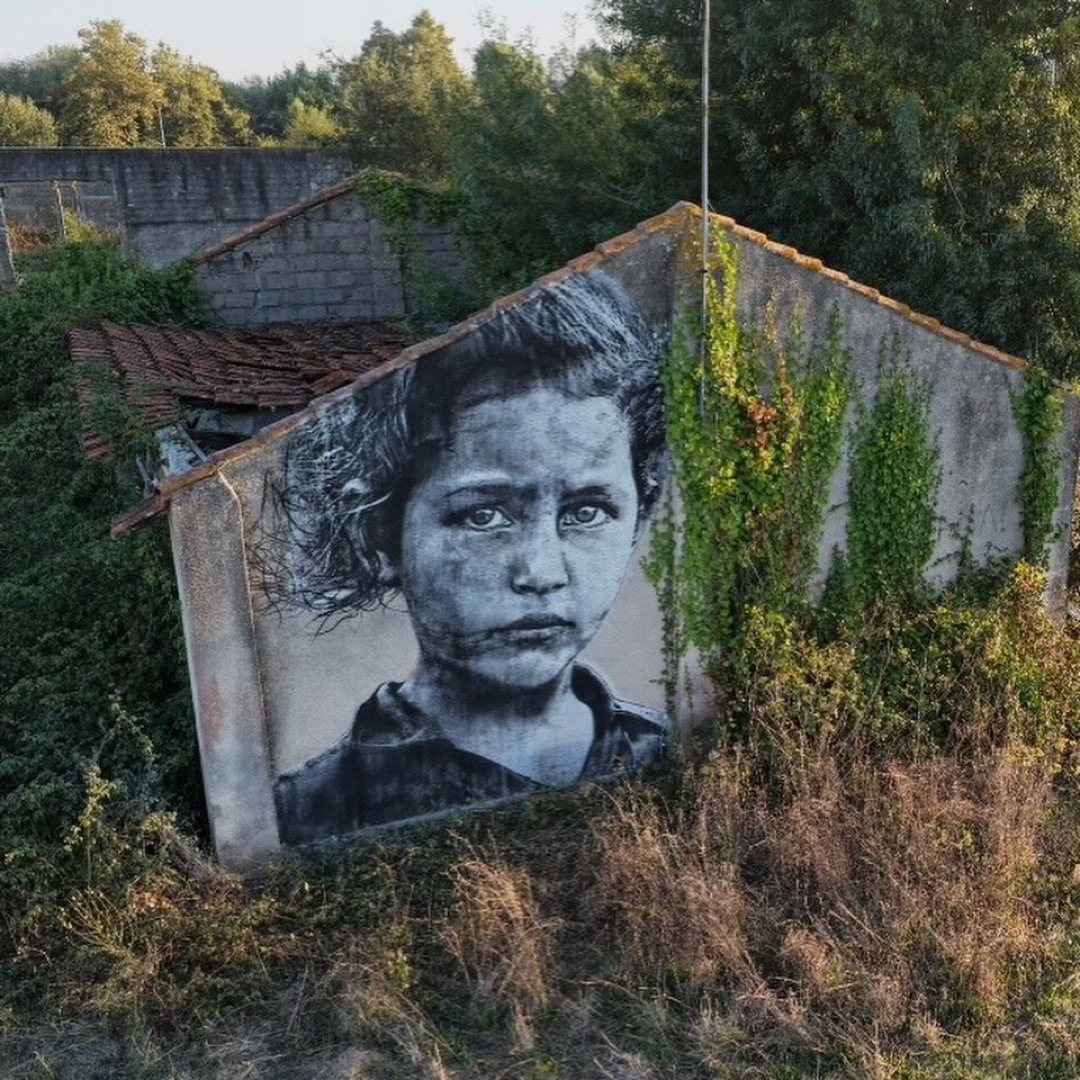
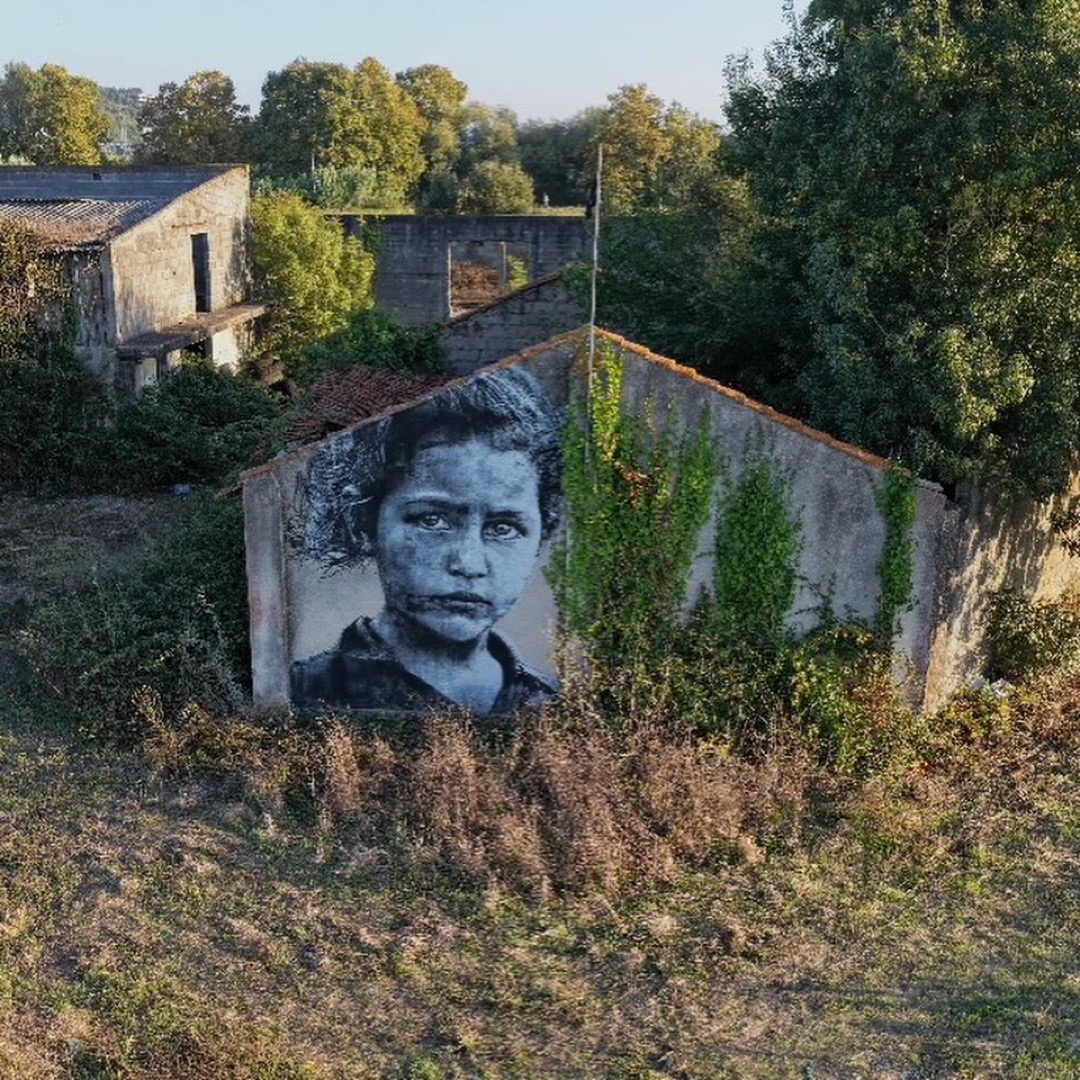
Ricardo Romero’s Sebastião Salgado mural marks the beginning of 2026 with a gesture of remembrance and continuity. Unveiled in Leiria, the work honours the late Brazilian photographer Sebastião Salgado, whose profound humanism shaped generations of image-makers and redefined the ethics of documentary photography.
“I will start 2026 by sharing with you a piece I created to honour a person who unfortunately left us in 2025, Sebastião Salgado, a true reference,” Romero wrote upon unveiling the work. “It is a simple and small piece, but one with enormous meaning for me.”
For Romero, Salgado was more than an admired figure. He represented a moral compass within visual culture. When announcing the mural, Romero described it as modest in scale yet immense in meaning, a personal tribute to a reference who shaped his understanding of dignity, territory, and responsibility within art.
Ricardo Romero Sebastião Salgado Mural and the Legacy of Terra
The mural reinterprets a photograph from Salgado’s seminal series Terra (1997), a body of work documenting Brazil’s landless rural workers. Through stark monochrome compositions, Salgado restored presence and gravity to communities often erased from political and visual narratives.
In Terra, black and white never felt austere. It felt alive. Light pressed against shadow. Faces carried both exhaustion and resilience. The soil became both setting and symbol, holding within it labour, struggle, and hope.
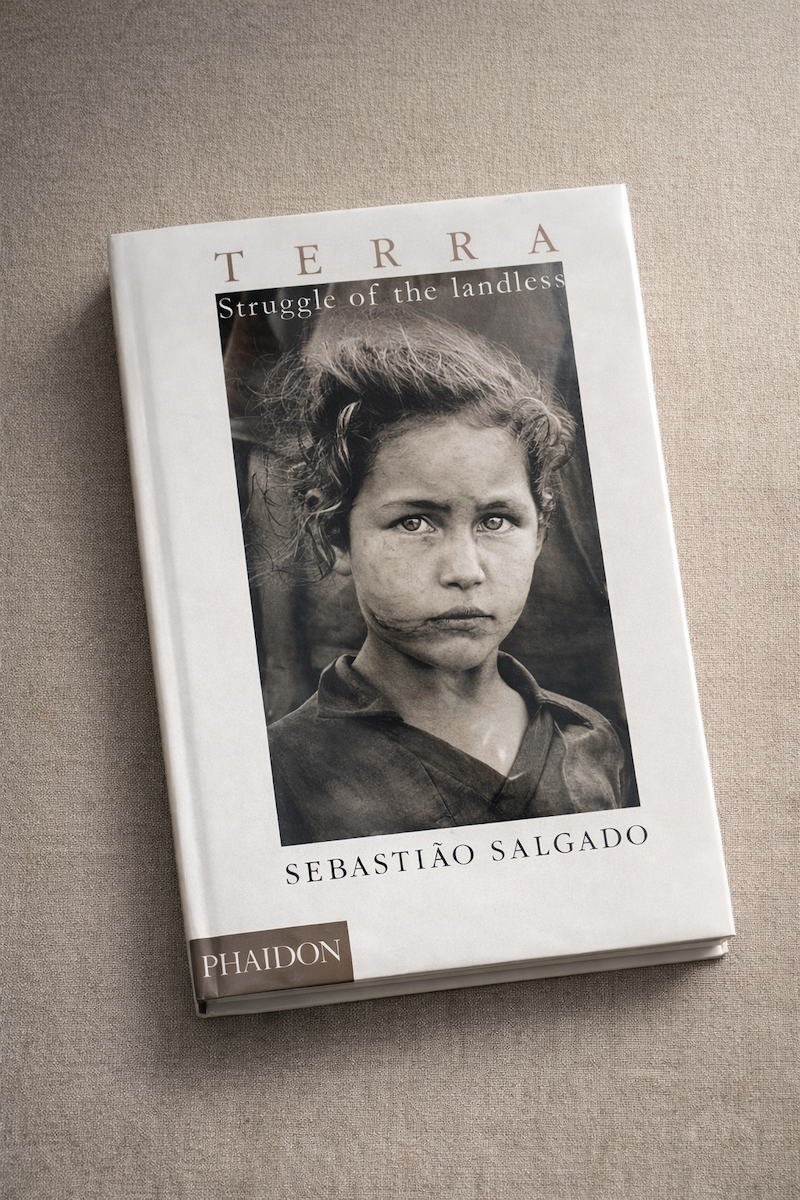
Terra by Sebastião Salgado
Romero’s intervention centres on the portrait of a young rural girl. Her gaze is steady, open, unshielded. By transferring this image onto an exterior wall in Leiria, Romero returns Salgado’s humanism to the street, a space that has defined Romero’s eighteen-year practice in public art.
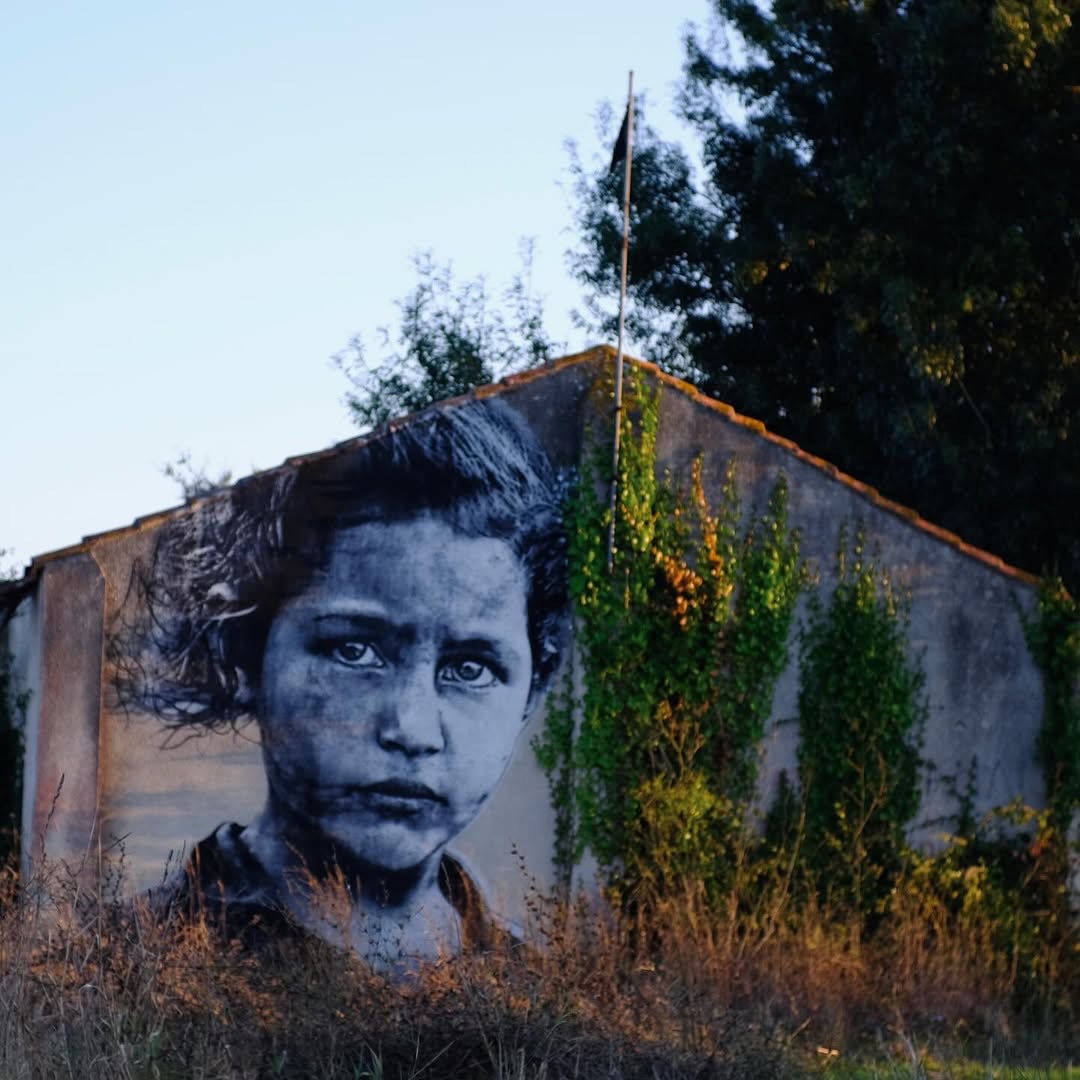
Public Art as Continuation of Sebastião Salgado’s Humanism
The themes that shaped Terra remain pressing. Poverty changes its setting yet repeats itself in essence: displaced families, empty hands, bodies that carry the weight of exclusion. Salgado’s photographs remind us that the struggle for land is also the struggle for life, and that as long as hunger and inequality persist, his work will continue to speak of the present, not only of the past.
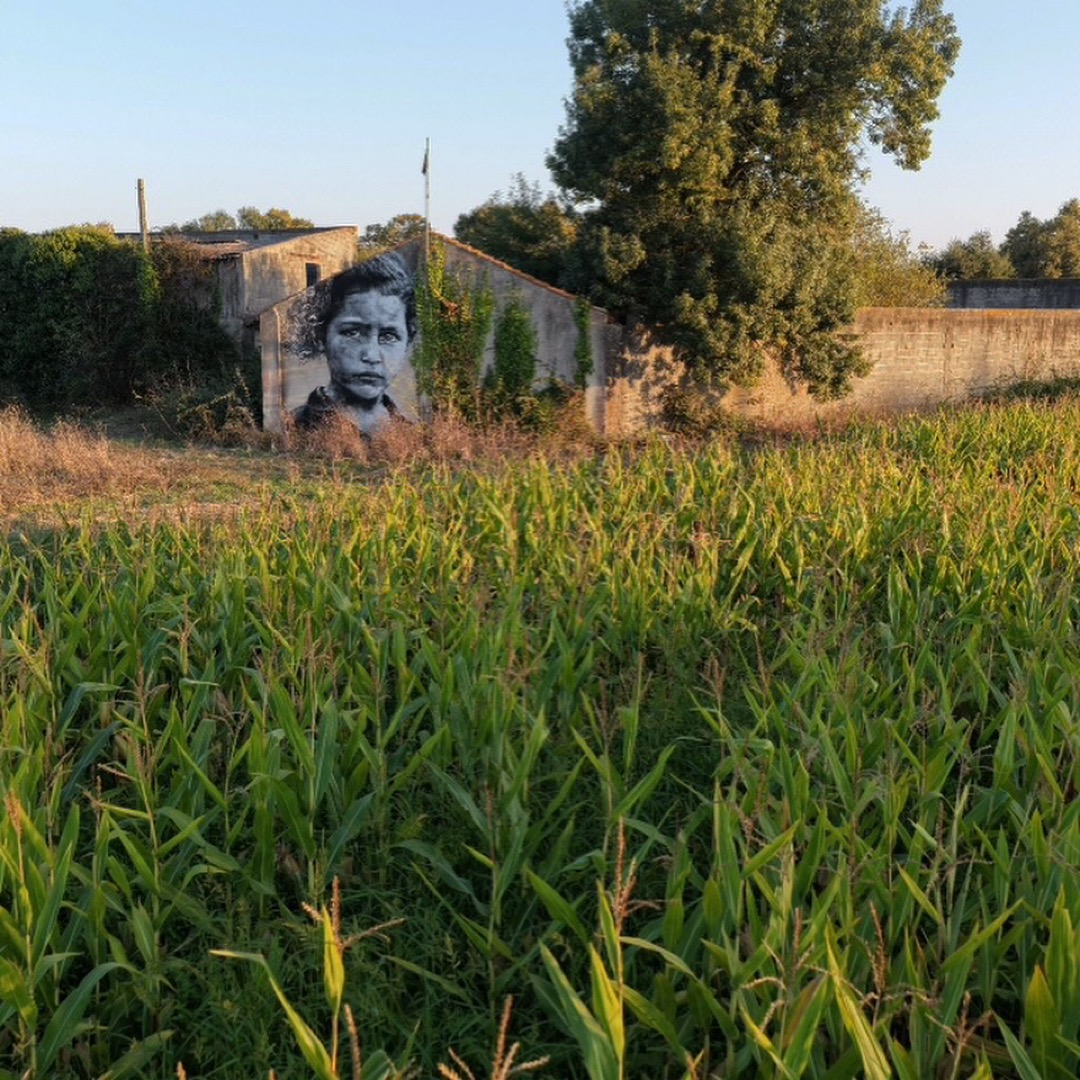
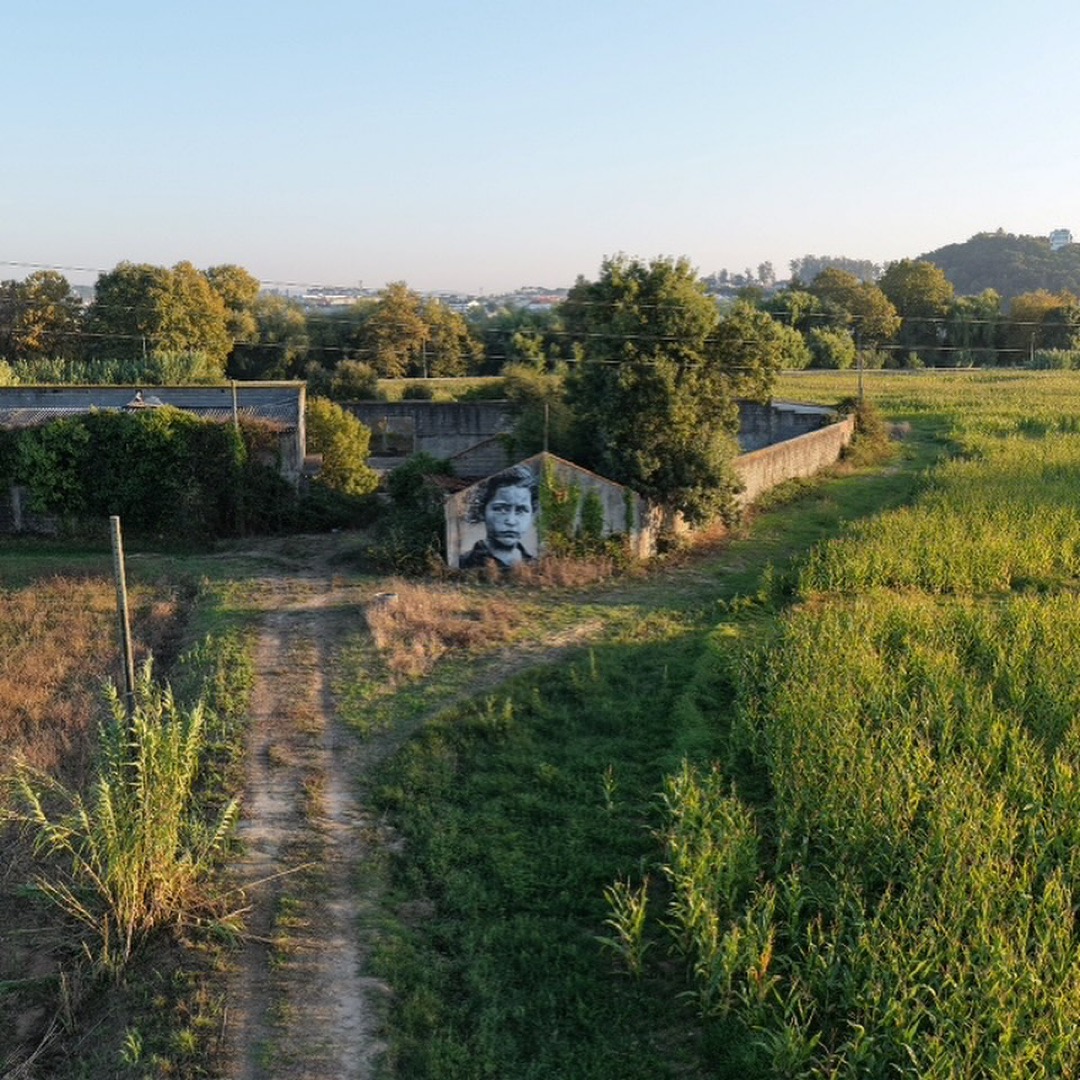
Through this mural, Romero does not replicate an image; he extends a conversation. In honouring Salgado’s legacy, he affirms that public art can carry memory, dignity, and continuity across generations.
Discover artworks by Ricardo Romero at GraffitiStreet gallery, 25 West Street, Chichester, England, or explore the collection online.