Art Without Colour: Experiencing Urban Art Through Achromatopsia
Art Without Colour invites us to rethink how artworks are experienced when colour disappears. Colour often feels inseparable from the experience of art. It guides emotion, directs the eye, and shapes how a work is interpreted. Yet for some visitors, colour is not part of the visual world at all. Achromatopsia is a rare visual condition in which people see only black, white, and shades of grey. This raises an important question for galleries and educators: how can art be described and experienced when colour disappears?
“When I designed the gallery, I kept the palette black and white so the art could do the talking. Recently I spoke with a parent whose child sees only in black, white, and shades of grey. It made me think about how the artworks would appear through his eyes and how I could offer the best experience possible for his visit to the gallery.”
At the gallery, this inspired more research. In preparation for the visit of a young art lover who experiences achromatopsia and photophobia, the colourful art works on the gallery wall were recreated in black and white and printed so as we talked about the art we both were seeing the same black and white, and shades of grey scale. The aim was simple. By removing colour from the artworks, it becomes possible to explore how someone with achromatopsia might encounter the same pieces.
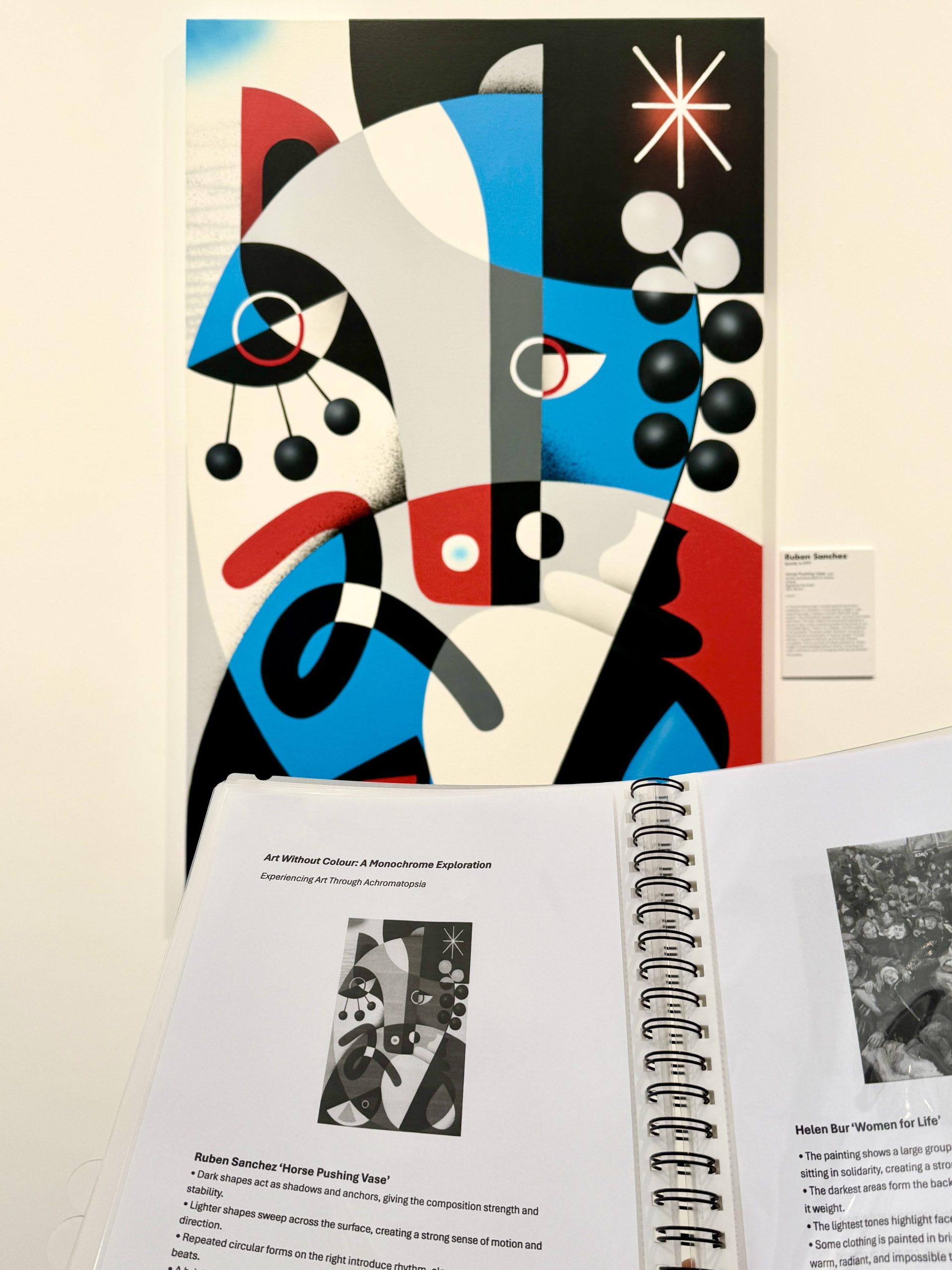

Ruben Sanchez – Horse Pushing Vase
Art without Colour in Achromatopsia
Without colour, the language of art shifts. Light, contrast, and texture become the most immediate elements. Shapes feel more pronounced and surfaces carry more visual weight. The eye begins to travel through the artwork differently, guided less by pigment and more by structure, rhythm, and tone.
Describing colour also becomes an exercise in imagination and sensory language. Instead of naming hues, colour can be explained through experience. Yellow may be described as the warmth of sunlight on the skin. Red can evoke heat and intensity. Blue may suggest calm, like standing beside quiet water. A starburst becomes energy radiating outward.
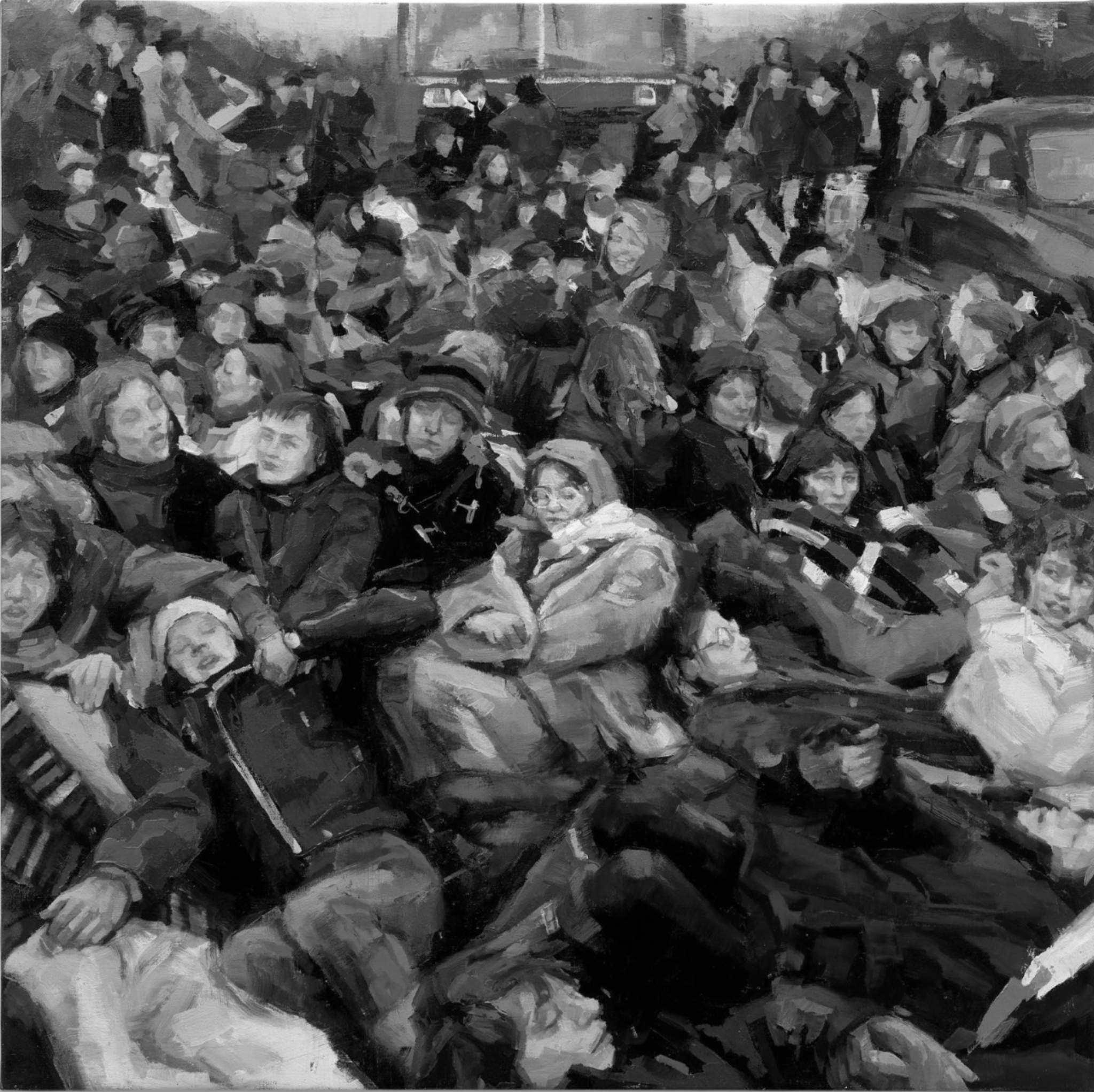
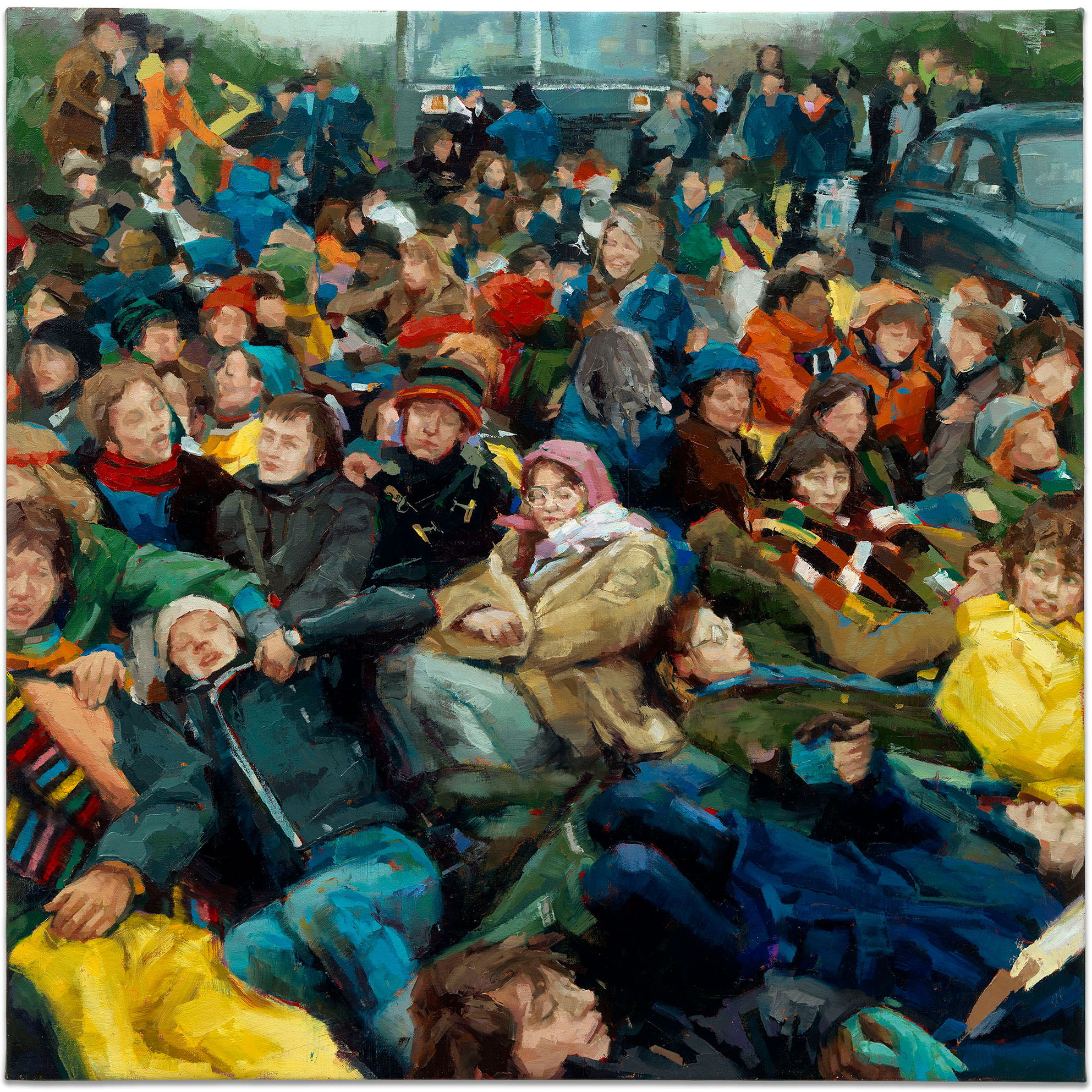
Helen Bur – Women For Life (2025)
This way of thinking opens a new approach to talking about art. It moves the conversation beyond colour and toward atmosphere, sensation, and emotion. Many artworks reveal layers that might otherwise be overlooked when colour dominates the first impression.
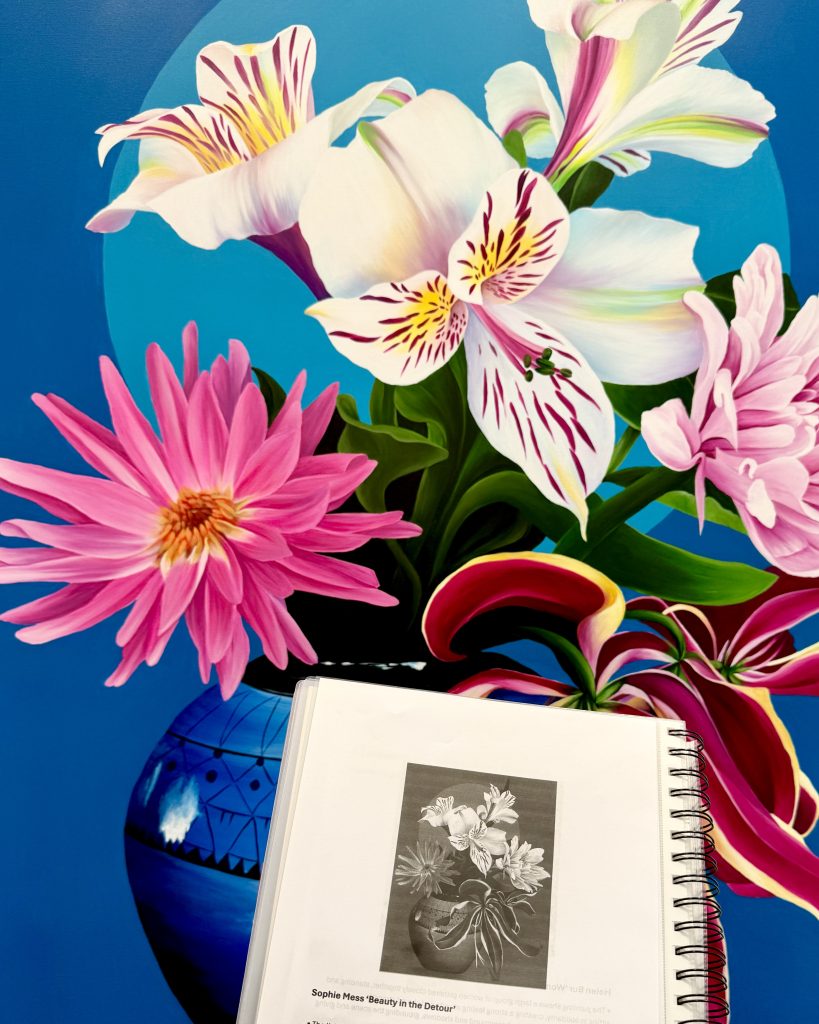
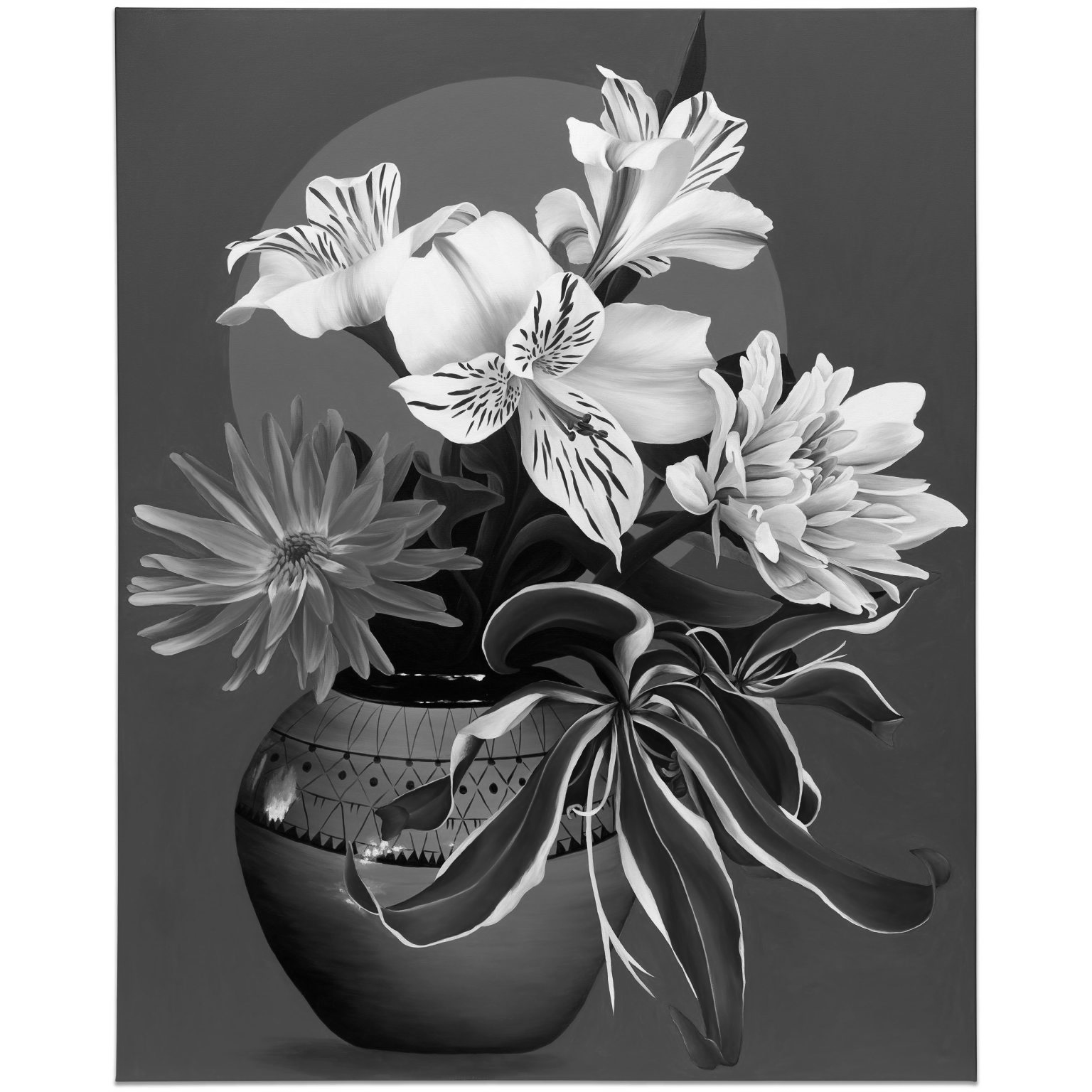
Sophie Mess – Beauty in the Detour (2025)
“Looking at the art in black and white changed the experience completely. Bright colours that stand out in colour do not always translate the same way in monochrome, while larger areas of paint and tonal shading become much stronger. Sophie Mess’s vase, for example, stood out beautifully and felt particularly strong in monochrome.”
Exploring art through the perspective of achromatopsia invites a deeper form of observation. It reminds us that art is not only about what we see, it is also about how we interpret and share visual experiences with others. When colour fades away, other qualities emerge. Light becomes more dramatic, form becomes clearer, and the language used to explain art becomes richer and more imaginative.
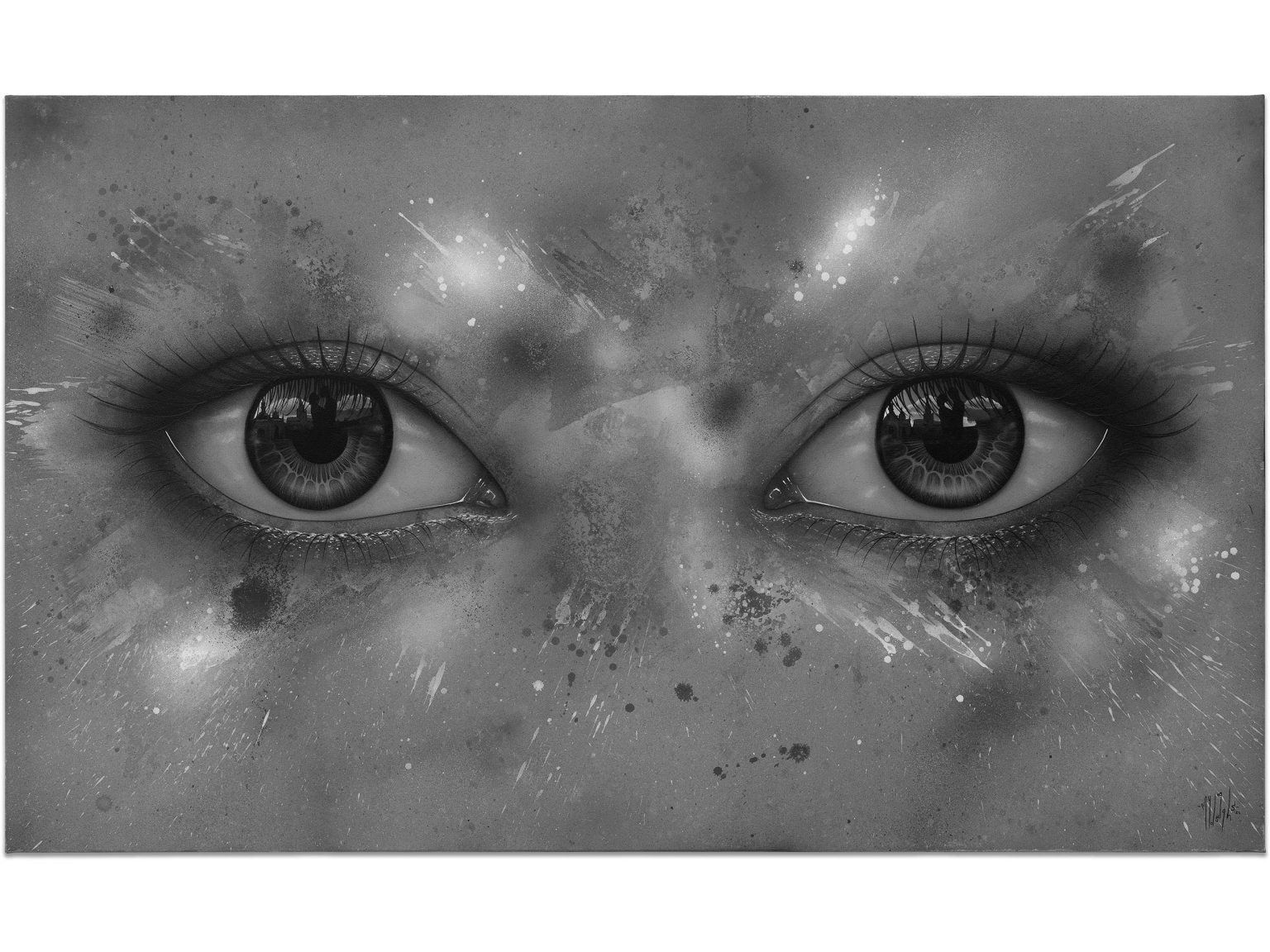
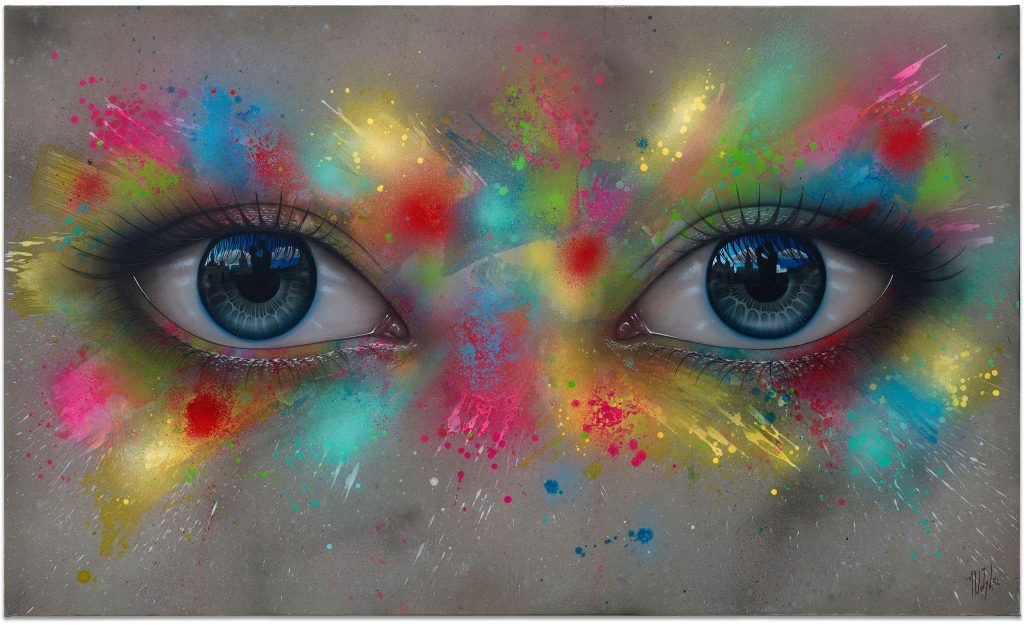
My Dog Sighs – Concrete Vision (2025)
Art without colour is not a limitation. It is another way of seeing.
Plan Your Visit
If you experience achromatopsia and would like to visit the gallery, we welcome you to book an appointment in advance so we can prepare and ensure the best possible experience for you.
GraffitiStreet Gallery
25A West Street
Chichester
England
PO19 1QW
Appointments can be arranged in advance so we can thoughtfully prepare the space and guide you through the artworks in a way that is most comfortable and engaging.